Are gutters necessary for every home? In many cases, yes. A properly designed gutter system helps direct rainwater away from the roofline, exterior walls, foundation, and surrounding landscape. However, the need for gutters depends on the home’s roof design, property grading, soil conditions, rainfall patterns, and existing drainage system.
For homeowners in Flagler County and Volusia County, Florida, managing roof runoff is especially important during periods of heavy rain and storms. Coastal properties may face additional challenges from wind-driven rain, salt exposure, and sandy soil, while inland homes can experience drainage issues caused by concentrated runoff, clay-rich soil in some locations, or poorly graded yards.
Understanding how gutters work can help you decide whether your property would benefit from professional residential gutter installation.
What Do Gutters Actually Do?
Rain gutters collect water flowing off the roof and channel it toward designated discharge points through downspouts. Instead of allowing water to fall directly beside the house, a gutter system helps control where that water goes.
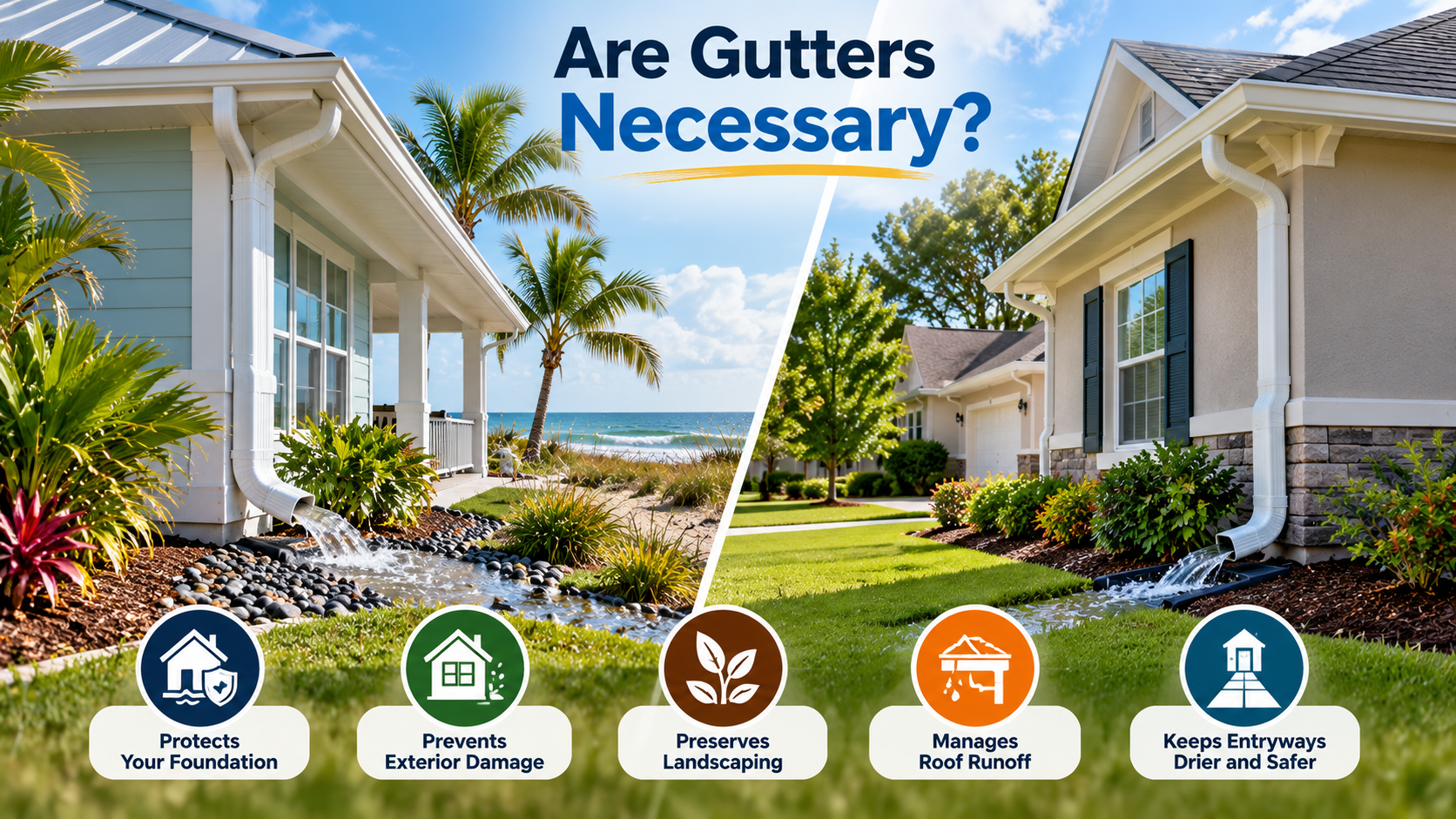
The main benefits of rain gutters include:
- Foundation protection: Directing roof runoff away from the base of the home can help reduce water accumulation near the foundation.
- Exterior protection: Controlled drainage can limit repeated water exposure on siding, fascia, entryways, and other exterior surfaces.
- Landscape preservation: Gutters can reduce soil erosion, mulch displacement, and damage to planting beds beneath roof edges.
- Better drainage management: Downspouts can direct collected rainwater toward suitable drainage areas rather than allowing it to fall wherever it naturally leaves the roof.
- Reduced splashback: Managing roof runoff helps limit water splashing onto lower walls, windows, and nearby walkways.
Gutters are one part of an effective drainage system. Their performance also depends on proper installation, suitable downspout placement, regular maintenance, and the way water moves across the property.
Are Gutters Necessary for Coastal Homes?
Coastal homes often benefit from gutters because rainfall, wind exposure, and site conditions can make water management more challenging. However, the right solution depends on the property’s location, roof design, and existing drainage.
Managing Heavy Rain and Wind-Driven Water
Coastal areas can experience intense rainfall and storms that send large volumes of water off roof surfaces in a short period. Without gutters, this water may fall close to the house, wash away landscaping, or collect near entryways and the foundation.
A properly sized coastal home gutter system helps collect roof runoff and channel it toward appropriate discharge areas. Correct placement and secure installation are important, particularly where wind exposure is a concern.
Considering Salt Exposure and Corrosion
Properties closer to the ocean may experience greater exposure to salt-laden air. Depending on the material and protective finish, this environment can contribute to corrosion and premature deterioration of some gutter components and fasteners.
When selecting gutters for coastal homes, consider material durability, corrosion resistance, fastening methods, and maintenance requirements. Choosing a suitable system can help improve long-term performance.
Managing Sandy Soil and Yard Drainage
Sandy soil is common in many coastal areas and can allow water to drain differently from heavier soils. However, fast infiltration does not automatically eliminate drainage concerns. Roof runoff can still create localized erosion, wash away landscaping, or accumulate near structures where grading is unsuitable.
Homeowners considering gutter installation in Palm Coast, FL can evaluate their roofline, downspout locations, and property drainage together to determine an appropriate approach.
Do Inland Homes Need Gutters Too?
Yes, many inland homes benefit from gutters just as coastal homes do. Being farther from the coast does not eliminate the risks associated with uncontrolled roof runoff.
Protecting Foundations and Landscaping
When rainwater falls directly from the roof edge, it can repeatedly saturate the soil around the house. Over time, this may contribute to erosion, landscape damage, and moisture concerns near the foundation.
Gutters collect this water and direct it toward selected discharge locations. The goal is not simply to move water away from the roof but to release it where it can drain safely without flowing back toward the home.
Preventing Water from Collecting Near Entryways
Roof runoff can create puddles around porches, patios, garage doors, and walkways. These areas may become slippery, muddy, or difficult to use after heavy rain.
A well-planned gutter system can help control where water leaves the roof and reduce unnecessary runoff around frequently used outdoor spaces.
Addressing Different Property Conditions
Inland properties vary considerably. Some have sloping yards that naturally carry water away from the house, while others have flat areas, compacted soil, or low spots where runoff can collect.
If you are considering gutter installation in Ormond Beach, FL, the roof configuration, existing drainage, and areas affected by roof runoff are useful factors to assess before selecting a system.
What Happens If Your Home Has No Gutters?
A home without gutters is not automatically at risk. Some properties are designed with roof overhangs, suitable grading, gravel drainage zones, or other features that manage rainwater effectively.
However, the absence of gutters may create problems when roof runoff repeatedly falls in the wrong places.
| Potential issue | Why it matters |
| Soil erosion | Water falling from roof edges can displace soil, mulch, and ground cover. |
| Foundation-area moisture | Concentrated runoff may increase water accumulation beside the house. |
| Exterior splashback | Rainwater can splash dirt and moisture onto walls and lower windows. |
| Landscape damage | Plants and garden beds beneath roof edges may be disturbed by repeated runoff. |
| Entryway puddles | Water may collect near doors, patios, and walkways if drainage is inadequate. |
These problems depend on the home’s design and surroundings. Before installing gutters, identify where water currently flows during rainfall and whether that flow is causing damage or creating maintenance concerns.
How to Know If Your Home Needs Gutters
Several signs suggest that a gutter system may improve your property’s roof runoff management.
- Soil or mulch repeatedly washes away beneath the roofline.
- Water pools near the foundation after rain.
- Splash marks or dirt stains appear on lower exterior walls.
- Rainwater pours onto entryways, patios, or walkways.
- The landscaping directly beneath the roof edge shows repeated erosion.
- Your property has limited grading or drainage options for handling roof runoff.
Observe these conditions during or shortly after rainfall when it is safe to do so. Look for recurring patterns rather than relying on a single storm, since unusually heavy rainfall can temporarily overwhelm even a well-designed drainage system.
If you notice recurring runoff problems, gutter installation in Port Orange, FL may be worth exploring as part of a broader drainage assessment.
What Type of Gutter System Should You Choose?
The right gutter system depends on the roof area, rainfall intensity, roof pitch, fascia condition, and the number and placement of downspouts. Coastal exposure and local maintenance requirements can also influence material selection.
Common options include:
- Seamless aluminum gutters: A popular residential option because they are lightweight, available in different colors, and made with fewer joints along each gutter run.
- Sectional gutters: Installed in separate lengths and joined together, these systems can suit certain properties and installation requirements.
- Other material options: Steel, copper, and other materials may be appropriate in specific circumstances, depending on budget, appearance, durability, and exposure conditions.
Material alone does not determine performance. Correct sizing, slope, secure fastening, downspout capacity, and suitable discharge locations are all essential.
For a property exposed to coastal weather, ask about corrosion resistance and secure attachment. For an inland home, pay close attention to the roof’s water volume and the way the yard handles discharge.
Is Professional Residential Gutter Installation Worth It?
Professional installation can help ensure that the system is designed around the home’s roofline and drainage needs. An installer can assess gutter sizing, slope, downspout locations, attachment points, and the best practical places to discharge collected water.
This is particularly useful when roof sections meet at complex angles, large roof areas concentrate runoff into a small space, or existing drainage problems have not been resolved by landscaping changes alone.
For homeowners exploring gutter installation in Edgewater, FL, a property-specific assessment can help determine whether gutters are appropriate and what configuration would best support effective drainage.
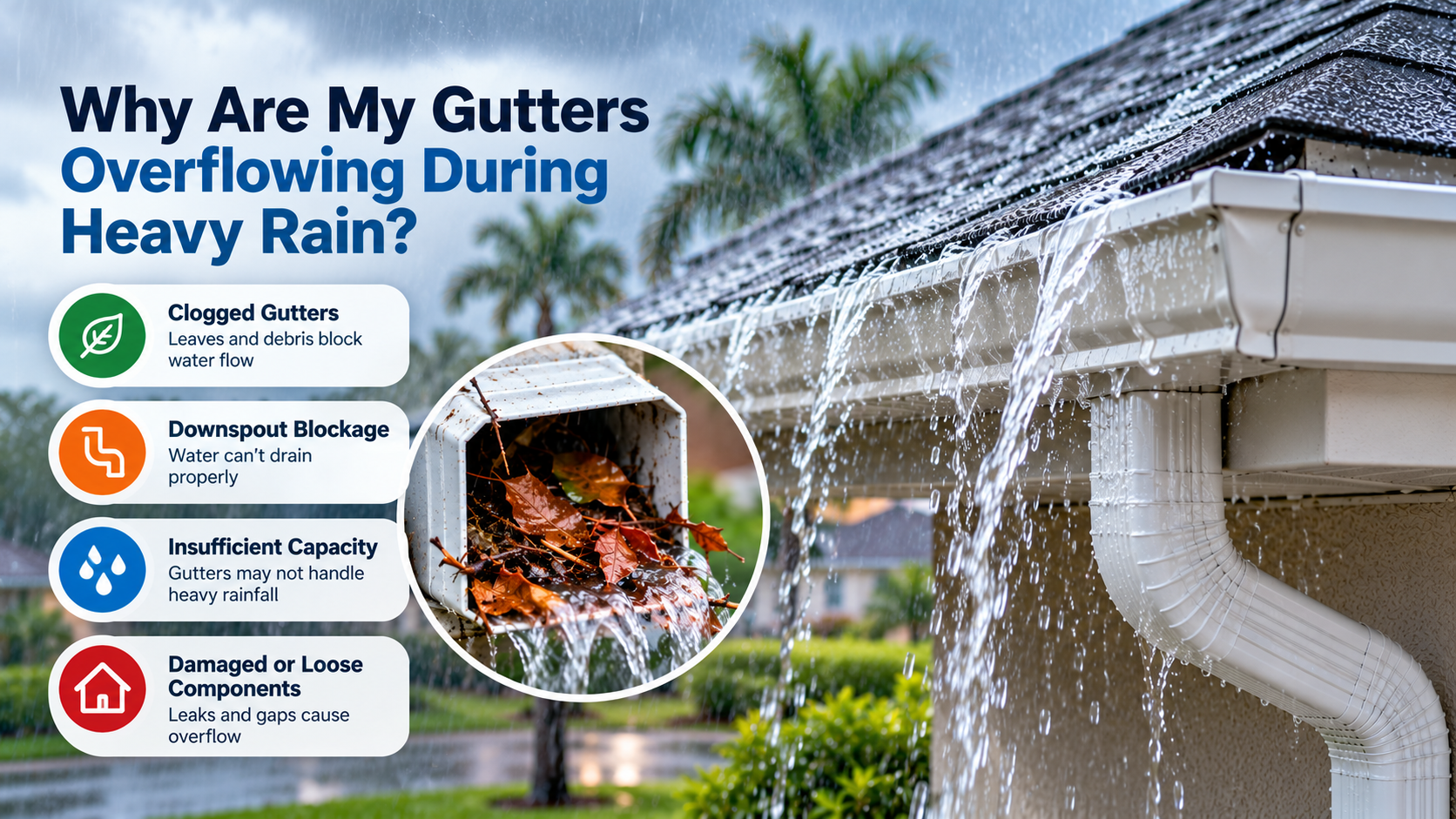
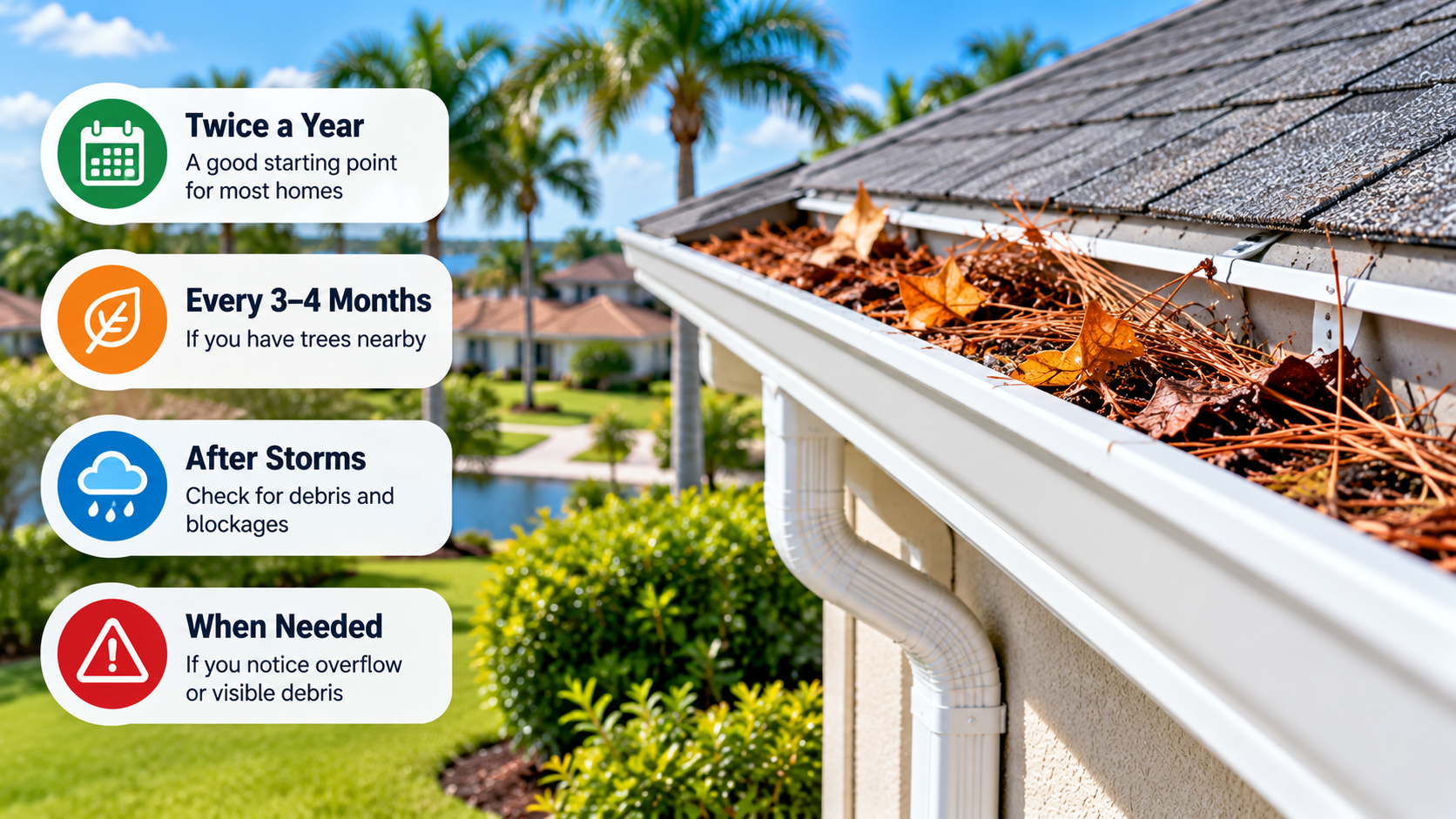
Remember that installing gutters does not eliminate the need for maintenance. Gutters and downspouts should be inspected periodically for leaves, debris, loose fasteners, leaks, and drainage restrictions.
Final Thoughts: Are Gutters Necessary for Your Home?
So, are gutters necessary? For many coastal and inland homes, gutters are a practical way to manage roof runoff and reduce the risk of soil erosion, exterior splashback, and water accumulation near the foundation. However, some properties already manage roof drainage effectively through their design and grading.
The best decision comes from understanding how water currently moves around your home and whether that movement creates recurring problems. If gutters are needed, choosing a suitable system and ensuring correct installation can make a meaningful difference in how rainwater is managed.
Not sure whether your property needs a gutter system? Contact Get Well Hung LLC at (386) 444-5817 to discuss your home’s roof runoff and residential gutter installation options.